
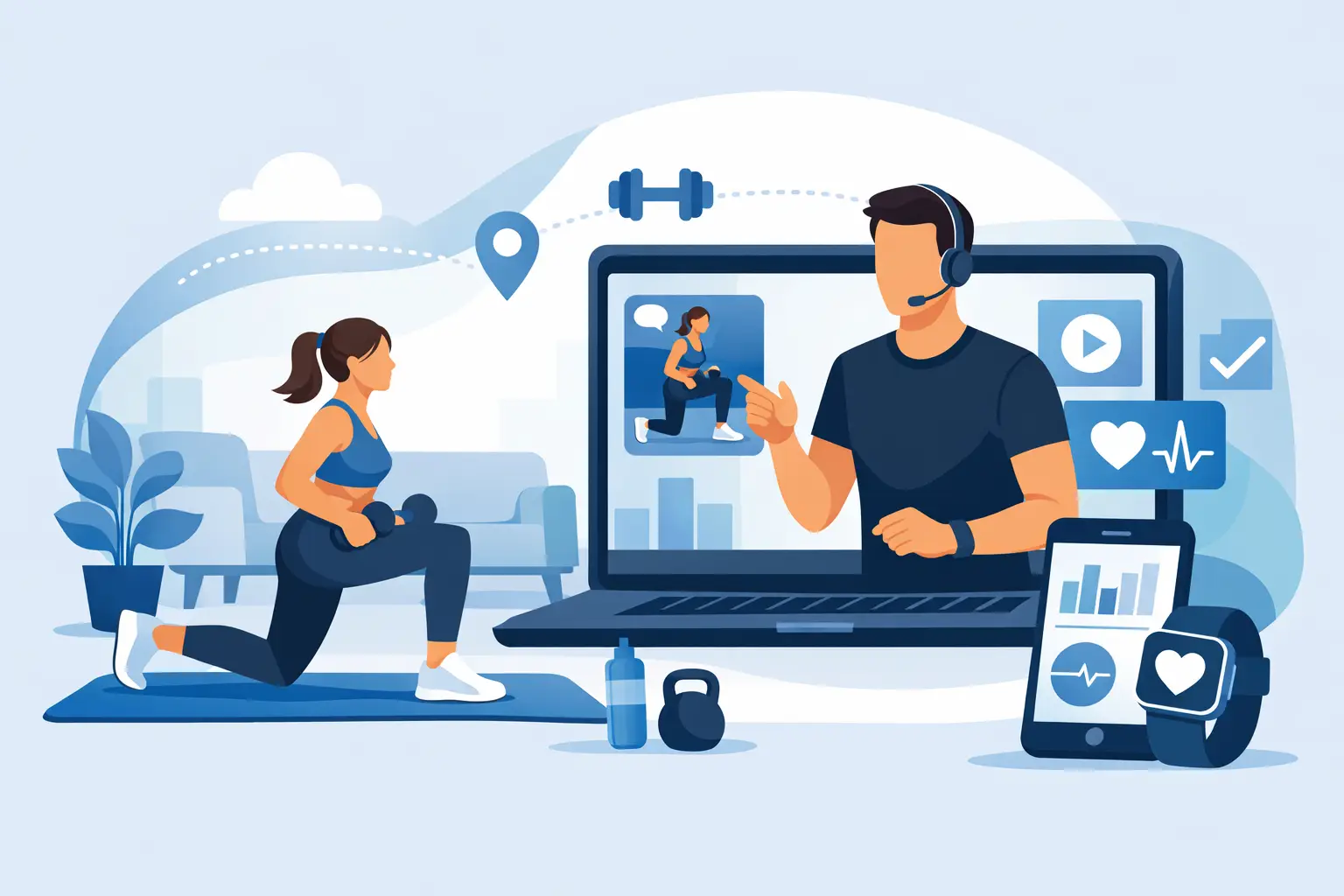
A training plan sitting untouched in your mobile phone will not change much. A plan built around your goals, schedule, equipment and sticking points – with a coach checking in and expecting feedback – can. So, is online personal training effective? Yes, when it gives you genuine personal guidance, clear accountability and a programme you can actually follow week after week.
For busy professionals, parents, frequent travellers and anyone who does not want their fitness dictated by a gym timetable, online coaching can be one of the most practical ways to train. You do not need to be in the same room as your coach to build strength, lose body fat, improve your running or feel more confident. But you do need more than a generic PDF and a few automated messages.
Is Online Personal Training Effective for Real Results?
Online personal training works because results do not come from a particular building, machine or postcode. They come from applying the right training stimulus consistently, recovering well, eating in a way that supports your goal and adjusting the plan when life gets busy.
A good coach takes the guesswork out of those decisions. Rather than copying a workout from social media or changing your routine every Monday, you follow a structured programme designed for your starting point. If you are training in a Barcelona flat with a pair of dumbbells, that programme should look different from one for a runner preparing for a half marathon or someone with full gym access.
The effective part is the relationship, not simply the online format. I need to understand what you are doing, how the sessions feel, where you are struggling and what your week really looks like. From there, I can progress your training, adapt it around work trips or family commitments, and keep the focus on what will move you forwards.
Research and real-world experience both point to the same basic truth: people tend to do better when they receive individual feedback and regular accountability. Online coaching can provide both, often with more flexibility than a fixed weekly gym appointment.
What Effective Online Coaching Should Include
A tailored programme is the foundation. This is not just a list of exercises. It should set out your training days, exercise technique, sets, repetitions, rest periods and progression, with alternatives when equipment or time is limited. The programme must have a purpose, whether that is building muscle, improving fitness, returning to training after a break or preparing for a race.
Nutrition support matters too, particularly if body composition is one of your goals. You do not need an extreme diet or a life spent weighing every ingredient. Most people need a realistic structure: better meal choices, enough protein, sensible portions and a plan that works with dinners out, travel and weekends. A coach can help you build habits you can maintain rather than asking you to live like a fitness model for six weeks.
Regular communication is where remote coaching becomes personal training. Check-ins create a chance to review performance, energy, sleep, steps, body weight if relevant, and adherence. They also reveal the problems that do not show up on a spreadsheet. Perhaps you are sleeping badly, your knee is irritated after running, or your workload has made five sessions unrealistic. It is far better to adapt early than to disappear from training altogether.
Technique feedback is another important piece. Video is not identical to having a trainer beside you, but it is highly useful when used properly. You can send clips of a squat, deadlift, press or running drill and receive clear points to work on. Over time, this builds confidence and helps you train safely when you are on your own.
Where Online Training Has the Advantage
The biggest advantage is that training fits around your life rather than becoming another appointment you struggle to reach. You can train before work, during a quieter lunch break, at home after the children are in bed, in a hotel gym or outdoors while travelling. Your programme stays with you.
That flexibility often improves consistency. Missing one face-to-face session can mean waiting another week for support. With online coaching, the plan can be adjusted quickly. If you have only 30 minutes, I can give you a focused session. If you are away with no equipment, bodyweight training, conditioning work and running can keep your momentum going.
Online training can also provide more support between workouts. A one-hour session is valuable, but the other 167 hours of the week still affect your progress. Remote coaching lets us look at the wider picture: daily movement, food choices, recovery, confidence and the habits that either support your results or quietly hold them back.
For endurance goals, this is particularly useful. A marathon, triathlon or race plan needs careful progression over months, not a hard session whenever you happen to see a coach. Training load, recovery, mobility, strength work and fuelling all need to work together. My own experience across marathons, Ironman triathlons and multi-sport training has taught me that consistency beats occasional heroic efforts every time.
When Online Personal Training May Not Be Enough
Online coaching is not the best option for everyone, and being honest about that is part of good coaching. If you are completely new to exercise and feel nervous using equipment, a few in-person sessions can be a valuable starting point. Hands-on coaching can help you learn movement patterns, understand your limits and feel comfortable before moving to a more independent routine.
It may also be less suitable if you know that you will not communicate, complete check-ins or follow a plan without someone physically present. Accountability works both ways. Your coach can guide, encourage and challenge you, but you still need to show up and be honest about what is happening.
Pain and injury need sensible judgement as well. Training should not be used to push through sharp pain, unexplained symptoms or a problem requiring medical assessment. A good coach will modify training where appropriate and tell you when specialist medical advice should come first.
For many people, the strongest arrangement is a hybrid one: occasional in-person sessions for technique and motivation, supported by an online plan for the rest of the month. At AB Fitness, that can work well for Barcelona clients who want the convenience of home or outdoor sessions alongside a programme they can follow independently.
How to Get Results From Remote Coaching
Start by being specific about what you want. “Get fitter” is a good intention, but it is not yet a target. You may want to lose 5kg, complete your first 10K, feel stronger in your clothes, run a faster half marathon or create a routine you can keep while travelling. The clearer the goal, the easier it is to build the right plan.
Next, be realistic about your available time. Three sessions completed every week will beat an ambitious six-day plan that lasts ten days. I would rather build a routine you can maintain during a demanding month than impress you with a programme that does not fit your life.
Track the basics and give useful feedback. You do not need to obsess over every number, but tell your coach whether sessions felt too easy or too hard, whether you completed them, how you slept and where motivation dipped. That information allows the programme to stay genuinely tailored.
Finally, accept that progress is rarely perfectly linear. Body weight can fluctuate. Work can become intense. A holiday or illness can interrupt a routine. Effective coaching is not about pretending these things will not happen. It is about responding calmly, getting back to the next useful session and keeping the long-term goal in view.
The right online coach should make training feel clearer, more manageable and more purposeful – while still asking you to work. Choose support that meets you where you are, then commit to the small actions that make a stronger, fitter version of you possible.